The Future of Business Intelligence in Logistics
How AI and machine learning are transforming logistics analytics and what it means for freight forwarders.
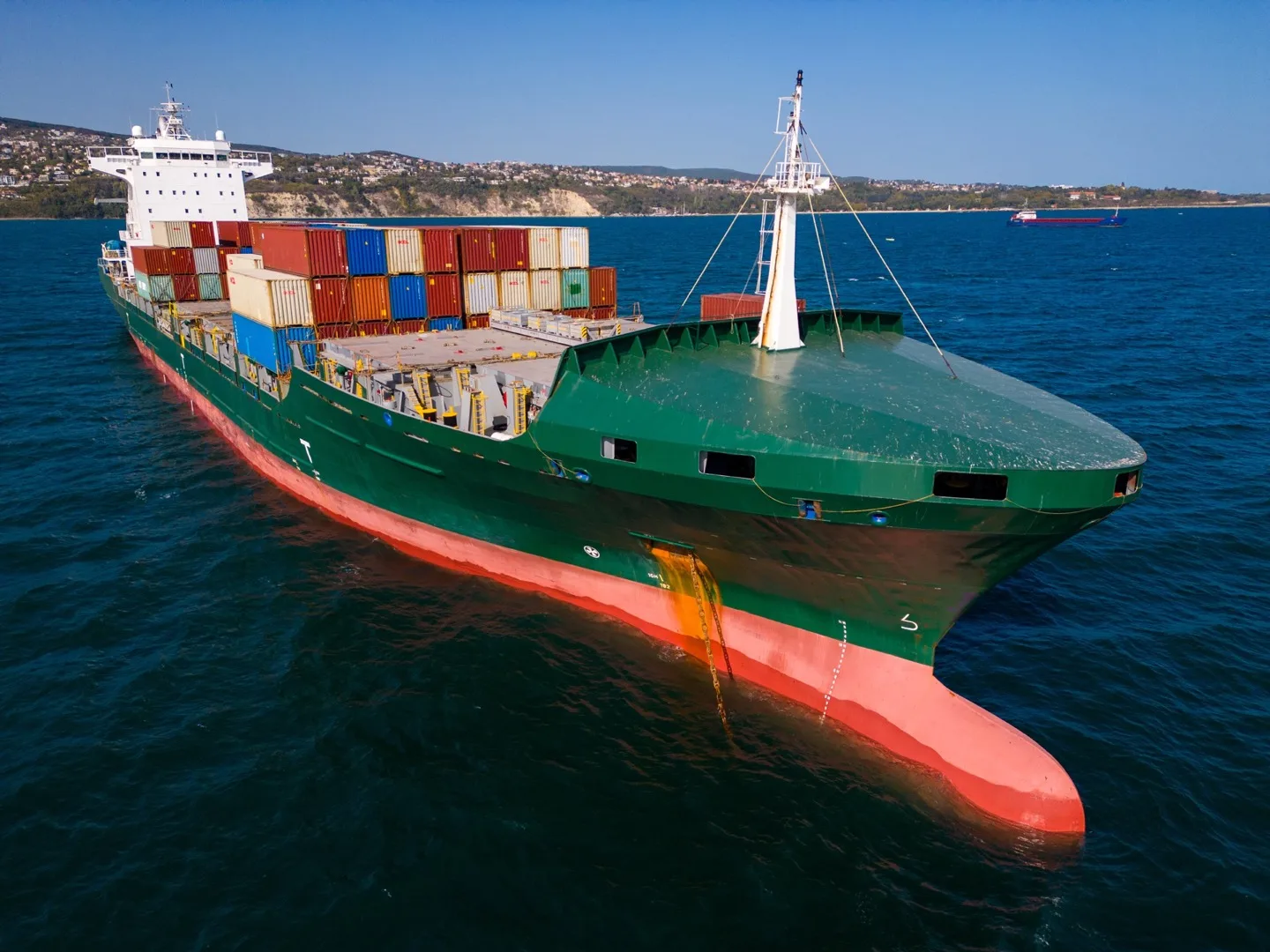
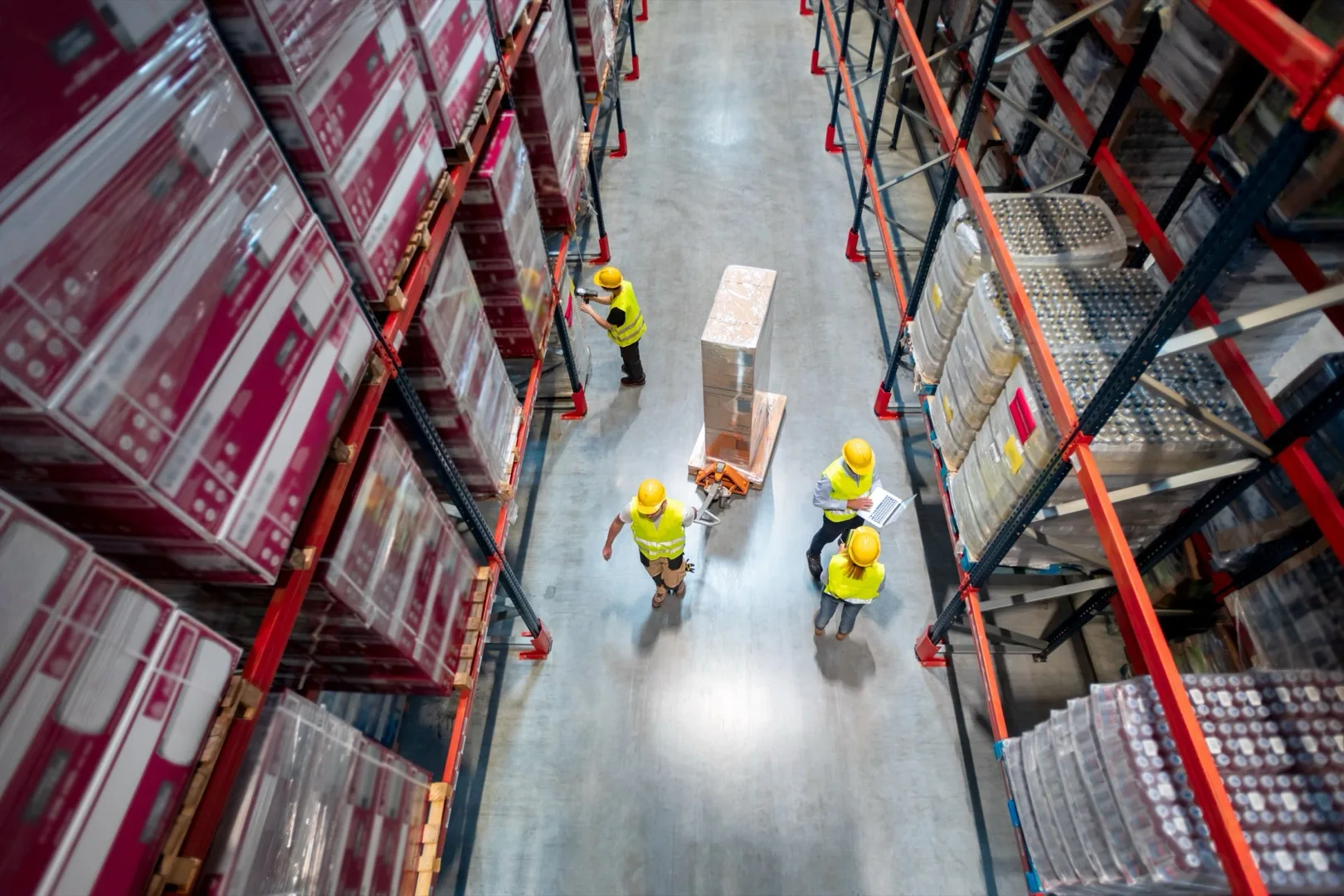
Freight operations now generate a steady stream of telemetry — GPS pings, IoT sensor readings, EDI messages, and events from digital freight platforms. The volume is rarely the problem. The problem is that most of it never reaches the person deciding which carrier to book or which lane to reprice.
Where spreadsheets stop keeping up
Plenty of logistics teams still run on exported spreadsheets and static reports. By the time a workbook is stitched together and circulated, the shipment data behind it is a day or two old — old enough that a margin leak or a chronically late carrier surfaces only after the invoices are already out.
What a logistics-native BI platform changes
A platform built for this industry — Syntask included — starts from the KPIs and data structures freight forwarders and carriers actually use: shipment status, lane costs, on-time delivery, detention and demurrage. Instead of forcing operators to reshape their world into generic dashboards, it speaks in the metrics they already manage against.
Put this to work on your own operational data.
Start with one lane, one workflow, one decision. Measure impact. Expand when value is proven.
No integration project. No black box.
Written by
Berna Bulgurcu
Co-founder & CEO, Syntask
The Syntask team writes about operational decision intelligence for logistics — turning the data teams already have into prioritized, evidence-backed decisions.
Topics
- Predictive Analytics
- Business Intelligence
- For Logistics Directors