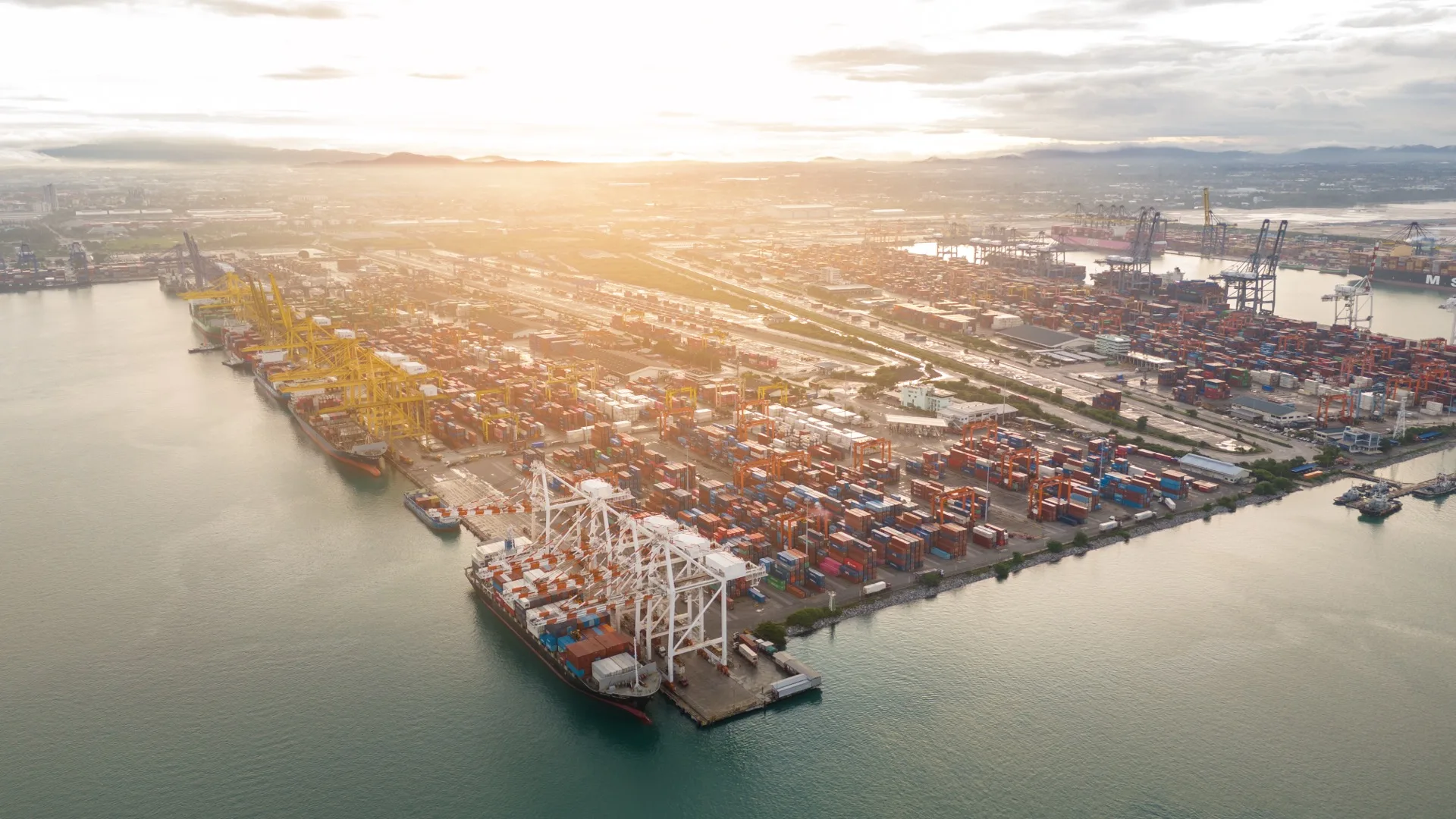
Geopolitical Risk in Freight: How to Monitor and Mitigate
A practical guide to identifying, monitoring, and mitigating geopolitical risks that disrupt freight operations — from sanctions to port closures to trade wars.
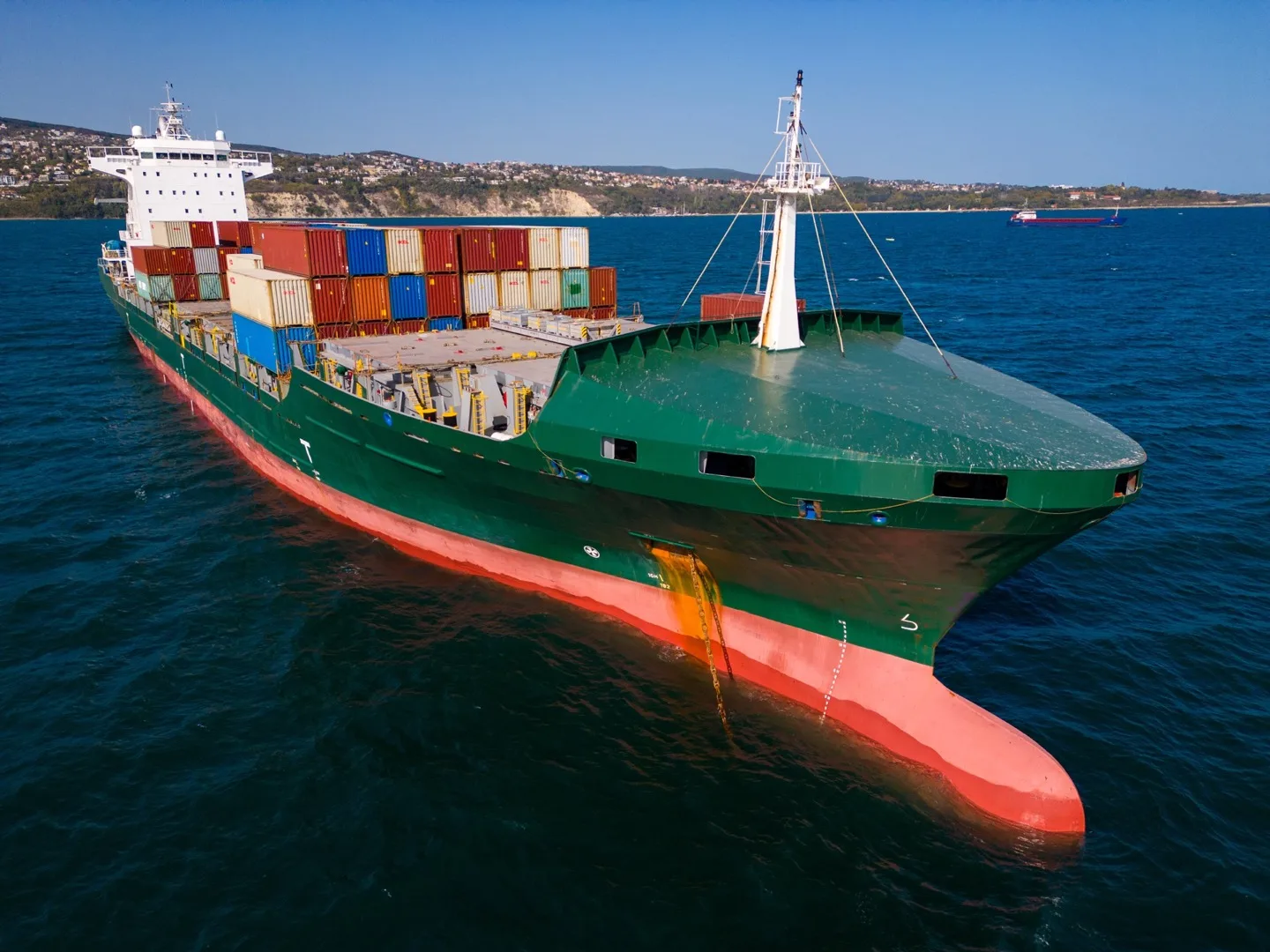
Geopolitics Is Now an Operational Variable
For decades, freight forwarding treated geopolitical events as rare, external shocks — things that happened on the news but rarely affected daily operations. That era is over. The Red Sea crisis, US-China trade tensions, Russia-Ukraine sanctions, Panama Canal drought restrictions, and regional conflicts have made geopolitical risk a constant operational variable rather than an occasional disruption.
The financial impact is substantial. The Red Sea shipping disruptions alone added $2,000-$4,000 per container to Asia-Europe rates, extended transit times by 10-14 days, and forced carriers to redeploy capacity away from other trade lanes. Forwarders who lacked contingency routing paid premium rates for weeks while those with pre-planned alternatives adapted within days.
Geopolitical risk management in logistics is not about predicting the unpredictable. It is about systematically identifying exposure, monitoring leading indicators, and preparing response plans so that when events occur — and they will — your organization can respond quickly rather than react chaotically.
Categories of Geopolitical Risk in Freight
Not all geopolitical risks affect logistics the same way. Categorizing them helps you monitor the right signals and prepare appropriate responses:
Sanctions and Trade Restrictions
Government-imposed sanctions restrict trade with specific countries, entities, or individuals. These create immediate compliance obligations: you cannot book cargo involving sanctioned parties, use sanctioned vessels, or route through sanctioned ports. The risk is both operational (shipments blocked) and legal (fines, criminal liability).
Trade Wars and Tariff Changes
Tariff escalations change trade economics overnight. When duties increase, import volumes shift, trade lanes rebalance, and new routing patterns emerge. The 2018-2019 US-China tariffs caused a measurable shift in sourcing from China to Vietnam, India, and Mexico — reshaping trade lane volumes across the Pacific and Indian Ocean.
Port Closures and Chokepoint Disruptions
Physical disruptions to maritime chokepoints — Suez Canal, Panama Canal, Strait of Hormuz, Strait of Malacca — affect global shipping capacity and transit times. These can result from military conflict, natural disasters, infrastructure failures, or political decisions. The 2021 Ever Given incident and the ongoing Houthi attacks on Red Sea shipping demonstrate how chokepoint disruptions cascade across the entire global supply chain.
Political Instability and Civil Unrest
Strikes, protests, regime changes, and civil conflicts in origin or destination countries can halt cargo movement at ports, borders, and inland transportation networks. These disruptions are often unpredictable in timing but identifiable in terms of which countries and regions carry elevated risk.
Building a Geopolitical Monitoring System
Effective monitoring combines multiple information sources into a structured assessment. Relying on mainstream news alone is too slow — by the time a geopolitical event makes headlines, the freight market has already reacted. You need earlier signals.
Key monitoring sources for logistics-specific geopolitical intelligence:
- Government advisories: US OFAC, EU sanctions lists, UK OFSI — monitor for additions and changes weekly
- Maritime security reports: UKMTO, IMB Piracy Reporting Centre, NATO Shipping Centre — daily updates on maritime security threats
- Trade policy trackers: WTO dispute filings, national customs authority announcements, trade ministry press releases — monitor for tariff changes and trade restriction proposals
- Port and terminal status: Direct feeds from major ports, carrier advisory notices, terminal operator communications — real-time operational status
- Risk intelligence services: Specialized providers like Verisk Maplecroft, Control Risks, or IHS Markit that score country-level political and economic risk
Proof, not a pilot
Put this to work on your own operational data.
No integration project. No black box.
Start a 90-Day Proof of ValueScenario Planning: The Red Sea Crisis as a Case Study
The Red Sea crisis that began in late 2023 provides an instructive case study in geopolitical risk response. Houthi attacks on commercial shipping in the Bab el-Mandeb strait forced the majority of Asia-Europe container traffic to reroute around the Cape of Good Hope, adding approximately 3,500 nautical miles and 10-14 days to transit times.
Forwarders who had scenario-planned for Suez disruption — even broadly — responded faster. Their playbooks included pre-identified alternative routing, rate escalation communication templates for customers, updated transit time estimates, and buffer stock recommendations for their shippers. Those without plans spent the first two weeks in reactive chaos: scrambling for capacity, fielding angry customer calls, and making ad-hoc routing decisions that often proved suboptimal.
The takeaway is not about prediction. You cannot forecast the specific trigger, but you can scenario-plan for the impact pattern. A Suez disruption carries the same operational consequences whether it stems from a grounded vessel, a military conflict, or a political decision — so the response plan is the same regardless of cause.
Route Alternatives and Contingency Planning
For every major trade lane, maintain a documented contingency routing plan that specifies alternative routes, estimated additional transit time, likely cost impact, and carrier options. Update these plans quarterly or whenever market conditions change significantly.
Key contingency routes for common disruption scenarios:
- Suez/Red Sea disruption: Cape of Good Hope routing (+10-14 days Asia-Europe), air freight for time-critical cargo, rail via China-Europe corridor for suitable commodities
- Panama Canal restrictions: Suez routing for East Asia-US East Coast, US West Coast port + intermodal for some origins, Mexico/Colombia transshipment
- Strait of Malacca disruption: Lombok or Sunda Strait alternatives (+2-3 days), direct Pacific routing where feasible
- China port disruption: Alternative Chinese ports (shift from Shanghai to Ningbo or Shenzhen), transshipment via Southeast Asian hubs
Integrating Geopolitical Risk into Decision-Making
Geopolitical risk assessment should influence three levels of decision-making: strategic (which markets and trade lanes to prioritize), tactical (carrier selection and routing preferences), and operational (individual shipment routing and timing).
At the strategic level, factor country risk scores into decisions about which markets to develop. A trade lane with excellent margins but high geopolitical instability may be less attractive than a moderate-margin lane with stable risk profiles. Syntask helps quantify this by overlaying geopolitical risk indicators with trade lane financial performance, enabling risk-adjusted decision-making.
At the tactical level, prefer carriers with proven contingency routing capabilities and diversified vessel deployment. A carrier with assets positioned for alternative routing can respond faster to disruptions than one optimized solely for the primary route.
At the operational level, build geopolitical risk awareness into daily booking decisions. When risk levels are elevated on a trade lane, proactively communicate potential delays to customers, book earlier than usual, and consider premium services for time-sensitive cargo.
Building Organizational Resilience
The most effective geopolitical risk management is organizational, not just analytical. Create a cross-functional risk committee that meets monthly to review the geopolitical landscape and its implications for your business. Include operations, commercial, compliance, and finance perspectives.
Conduct tabletop exercises annually: simulate a major disruption scenario and walk through your response plan. These exercises reveal gaps in communication, decision authority, and contingency planning that are invisible during normal operations. The cost is a few hours of leadership time; the value is measured in days of faster response when a real event occurs.
Syntask supports this practice by maintaining a continuously updated risk exposure map across your active trade lanes, making quarterly reviews efficient and data-driven rather than anecdotal. The forwarders who treat geopolitical risk as a managed variable rather than an act of God are the ones who maintain service quality and customer trust through the inevitable disruptions ahead.
Put this to work on your own operational data.
Start with one lane, one workflow, one decision. Measure impact. Expand when value is proven.
No integration project. No black box.
Written by
Berna Bulgurcu
Co-founder & CEO, Syntask
The Syntask team writes about operational decision intelligence for logistics — turning the data teams already have into prioritized, evidence-backed decisions.
Topics
- Supply Chain
- Deep Dive
- Risk Mitigation