Digital Twins in Supply Chain: Simulating Before Committing
Digital twin technology creates virtual replicas of supply chain networks for scenario simulation. Test network changes, disruption responses, and capacity investments before spending real money.
What Is a Supply Chain Digital Twin?
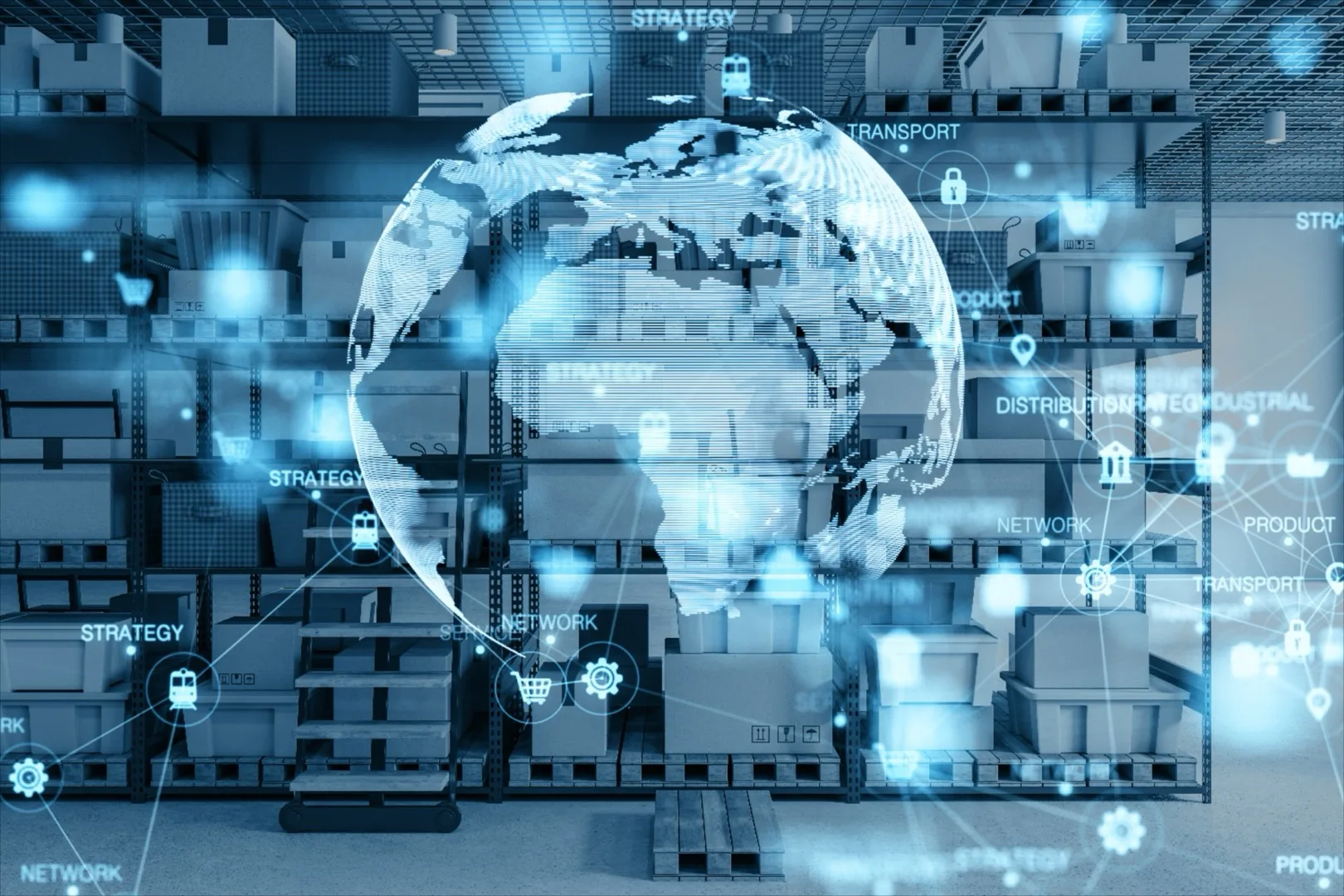
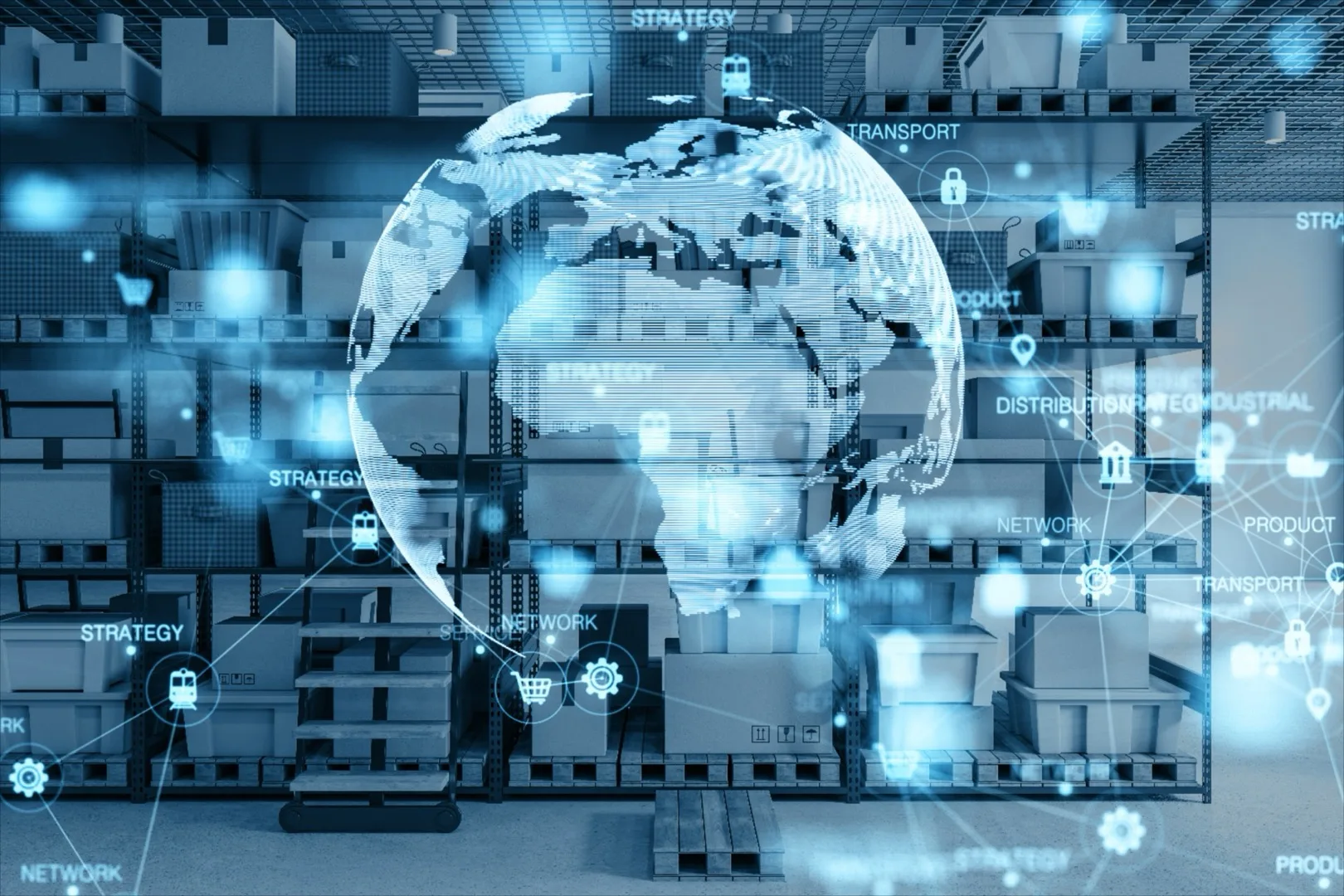
A supply chain digital twin is a virtual replica of your physical supply chain network — including facilities, transportation links, inventory positions, demand patterns, and operational constraints — that updates continuously with real-world data and allows you to simulate changes before implementing them. Think of it as a flight simulator for supply chain decisions: you can test new routes, adjust capacity, simulate disruptions, and observe the consequences without any real-world risk or cost.
The concept has moved from academic theory to practical application in the past few years, driven by improvements in simulation technology, the availability of real-time data from IoT sensors and APIs, and the increasing cost of making wrong decisions in complex, global supply chains. Organizations that adopt them generally report making network decisions faster and wasting less money on changes that fail to deliver — though the size of the gain depends heavily on how mature the underlying model is and how disciplined the team is about acting on what it shows.
How Digital Twins Work in Practice
A supply chain digital twin operates at three layers:
Layer 1: The Network Model
The foundation is a detailed model of your supply chain network — every node (warehouse, port, manufacturing facility, distribution center) and every link (shipping lane, trucking route, rail connection) with associated attributes: capacity, cost, transit time, reliability, and constraints. This model is built from your existing data: facility records, carrier contracts, lane performance history, and inventory policies.
Layer 2: The Demand and Supply Model
On top of the network, the twin models demand patterns (customer orders, seasonal variations, growth trends) and supply dynamics (supplier lead times, production schedules, transportation capacity). These models are calibrated against historical data and continuously updated with real-time information so the twin reflects current conditions, not a snapshot from last quarter.
Layer 3: The Simulation Engine
The simulation engine allows you to modify any variable in the model and observe the cascading effects across the network. The types of simulations that deliver the most value include:
- Network design scenarios: adding a distribution center in Dallas, consolidating two warehouses into one, or finding the best location for a new facility given where your customers actually sit
- Disruption simulations: Port of Shanghai capacity dropping 50% for two weeks, your largest carrier walking away from a key lane, or a critical supplier going dark for 30 days
- Capacity planning: the volume at which the current network hits its limits, where bottlenecks surface first, and the cheapest way to add headroom
- Policy testing: cutting safety stock from 14 days to 10 and reading the service-level hit against the inventory it frees up
Proof, not a pilot
Put this to work on your own operational data.
No integration project. No black box.
Start a 90-Day Proof of ValueReal-World Use Case: Network Optimization
Consider a logistics company evaluating whether to open a regional hub in the Midwest to reduce transit times for a growing customer base. Without a digital twin, this decision requires months of analysis: collecting data, building spreadsheet models, estimating demand, and projecting costs — often with significant uncertainty because the models are static and cannot capture dynamic network effects.
With a digital twin, the analysis takes days. The existing network is already modeled. You add the proposed hub with its expected capacity, cost structure, and service area. The twin simulates how order flow would shift across the network, what transit times the new hub would enable, how existing facilities would be affected, and what the net cost and service impact would be across 12 months of simulated demand. You can test multiple locations, capacity configurations, and opening timelines in parallel, comparing results to find the optimal configuration before committing capital.
Disruption Response Planning
Digital twins are particularly valuable for disruption preparedness. Instead of building reactive plans when a disruption occurs, you can pre-simulate likely disruption scenarios and develop response playbooks. When a disruption actually hits, you already know the expected impact and the optimal response — reducing decision time from days to hours.
Advanced implementations run disruption simulations continuously in the background, monitoring risk indicators (weather systems, port congestion, geopolitical tensions) and automatically re-running relevant scenarios when risk levels change. The twin does not replace human judgment — it provides the information foundation that makes faster, better-informed decisions possible.
Starting Small With Your First Model
You do not need to model your entire global network on day one. Start with the segment where simulation would deliver the most value — typically your highest-volume or most complex region. Build the network model from existing data, calibrate against 6-12 months of historical performance, and run your first simulation: a disruption on your most critical lane. If the twin's output matches your intuition, you have validated the model. If it surprises you, you have already learned something valuable.
Syntask's digital twin module provides the simulation infrastructure layered on top of your operational data — network modeling, demand simulation, and what-if analysis accessible through an intuitive interface. The goal is not to replace expert judgment but to give supply chain leaders a risk-free environment to test decisions that are too expensive to get wrong in the real world.
Put this to work on your own operational data.
Start with one lane, one workflow, one decision. Measure impact. Expand when value is proven.
No integration project. No black box.
Written by
Berna Bulgurcu
Co-founder & CEO, Syntask
The Syntask team writes about operational decision intelligence for logistics — turning the data teams already have into prioritized, evidence-backed decisions.
Topics
- Predictive Analytics
- Supply Chain
- Deep Dive
- Risk Mitigation